This means there will be no noticeable change in a file's appearance or contents, yet it's file size can still be reduced (though not as much as with lossy compression).
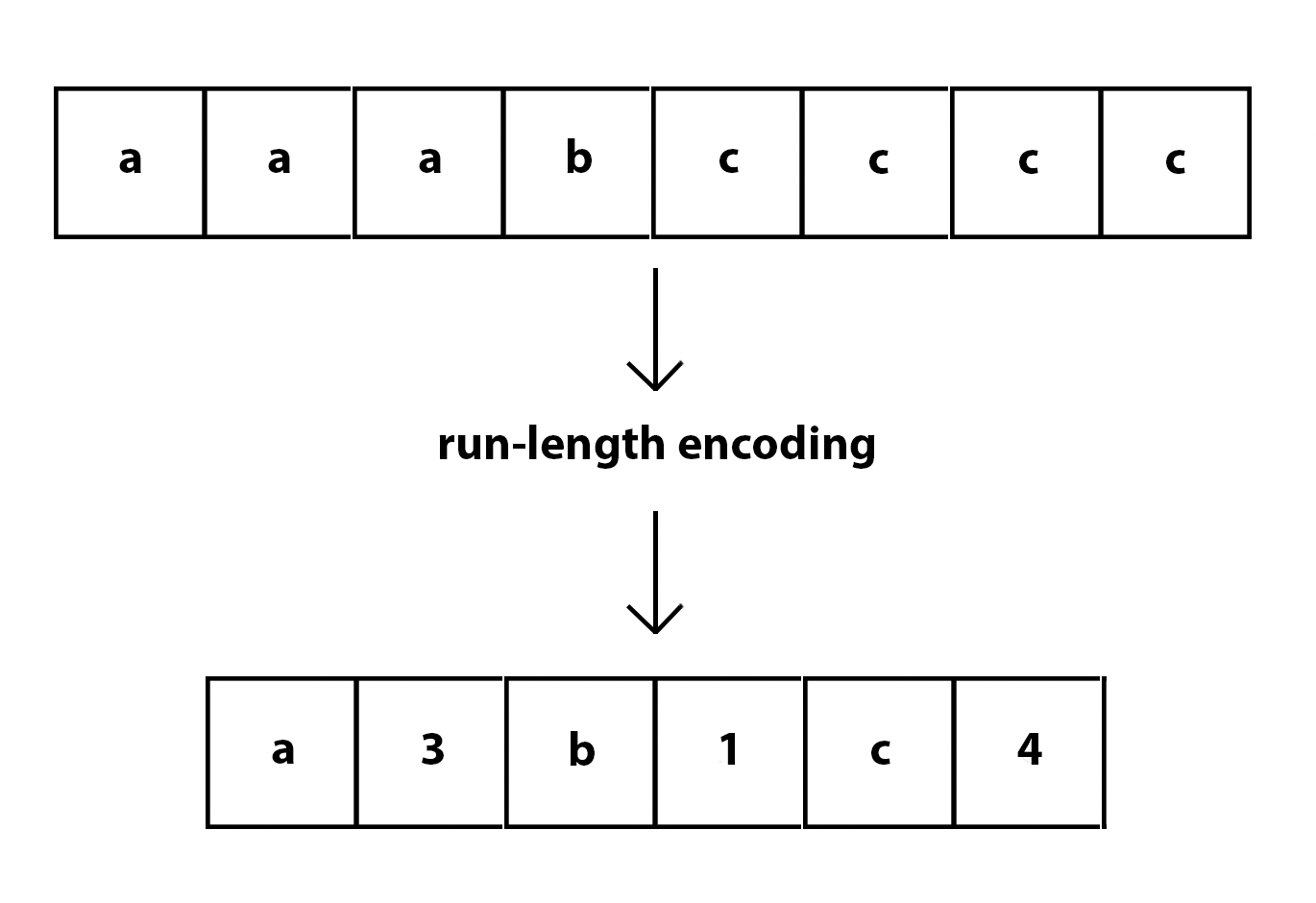
This is done by using techniques such as run-length encoding or dictionary encoding.
...replaces series of repeating data with a two values - how many times it repeats, and the data being repeated
This means less data can be stored, and all of it is reconstructable.
...works by recording frequently used sequences in a file, and replacing them with shorter references.
When the file wants to be read or edited again, the whole file can be fully reconstructed from the dictionary.